

Ethics in AI-powered marketing personalization
Publicado: 12 de April de 2024 · Actualizado: 12 de April de 2024
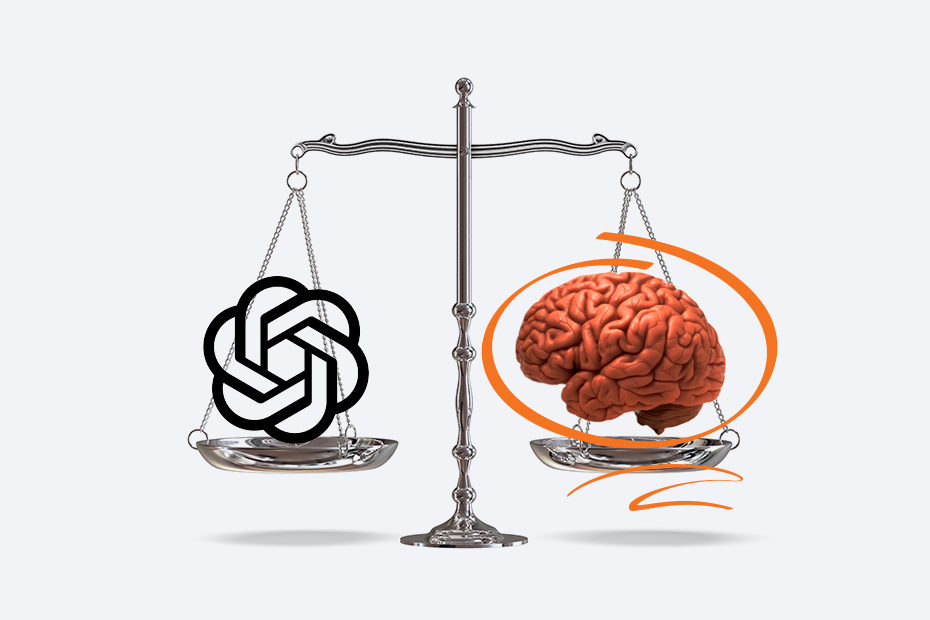
The artificial intelligence (AI) revolution has brought about significant transformations in various industries, but it's undeniable that its impact on marketing and advertising has been profound, exceptionally profound. Beyond the Hype initially, it sparked a global debate about the benefits and potential risks of these technologies, agencies and advertisers have been able to put into action and confirm how generative AI is a powerful ally for marketing. Amidst this context of accelerated changes, where marketing, as a discipline, is always faced with the complexity of understanding consumers and their constant changes, The integration of generative artificial intelligence offers unprecedented possibilities for the future of advertising strategies..
The ability to create personalised, real-time content tailored to individual consumer preferences not only transforms how brands connect with their audience but also redefines the very essence of advertising. In this constantly evolving digital landscape, generative AI not only offers efficiency in personalisation but also presents a challenge for brands: maintaining authenticity amidst automation.
It is fundamental to remember that behind every data point is a person with unique emotions, values, and experiences. The challenge for our industry in using these technologies lies in finding the balance between AI-driven personalisation and genuine human connection.
New ethical challenges
The diversity of tools available, from ChatGPT to Artbreeder, underlines the versatility of generative AI. This wide array of possibilities not only broadens the scope of personalised marketing, but also gives brands the opportunity to be truly innovative in their creative approach. However, with this innovation comes the responsibility to Understanding and ethically managing user data.
The collection and utilisation of data are fundamental elements in the successful implementation of generative artificial intelligence in personalised marketing strategies. The information collected, ranging from product preferences to browsing behaviours, is essential for feeding the algorithms and enhancing these tools' ability to generate relevant and engaging content.
Ethics in data management is becoming essential in this context. The responsibility lies with brands and the developers of these technologies to to ensure that data collection and use are conducted in a transparent, fair, and respectful manner. This is where user privacy comes into play and the need to establish clear boundaries regarding what data is collected, how it is stored, and for what purpose it is used.
It is obvious to point out that significant precautions are already being taken in the field of data protection, largely driven by regulations such as the General Data Protection Regulation (GDPR) in the European Union and similar laws in other jurisdictions. However, the continuous advancement of technologies like generative artificial intelligence poses specific challenges and requires ongoing attention to address emerging issues and ensure ethical data management.
Some of the additional considerations include the complexity of generative AI algorithms. As generative artificial intelligence algorithms become more complex, interpreting their decisions will be more challenging. It is essential to understand how these tools make decisions and how they influence personalization to ensure there is no unintentional bias or discrimination.
Generative AI models, such as deep neural networks, are often black boxes that are difficult to interpret. The ability to explain how certain decisions are reached is fundamental., especially when it comes to content customisation based on user data. A lack of transparency can undermine consumer trust and make accountability difficult in cases of potential ethical issues.
Given that generative AI can create highly personalised content, I deem it crucial to obtain specific informed consent for data usage in this context. Users must understand not only what data is being collected, but also how it will be used to feed generative algorithms and personalise experiences.
It is highly probable that in 2024 we will witness the development of specific regulations as generative AI becomes more broadly integrated into marketing strategies, addressing unique ethical issues related to the automated creation of personalised content. These regulations should evolve to address emerging challenges as technology advances, but in the meantime, all stakeholders must be aware, Human oversight remains essential to ensure ethics in marketing.. Brands must take responsibility for automated decisions and be prepared to intervene and correct any ethical deviations that may arise.
Consolidation in 2024
Generative AI is not just a technological tool; is a strategic partner for businesses who are looking not only to adapt, but to lead in a constantly evolving digital world. By embracing these technologies with a clear, customer-centric strategy, brands can not only personalise campaigns but also create experiences that resonate authentically with their audience.
2024 must be the consolidation of that increasingly expressed, but rarely evidenced, ideal of ever more personalised marketing, based on people's needs and preferences derived from a specific analysis of their past behaviour. By feeding these systems with data on consumer tastes, behaviours, and preferences, the application of AI to generate personalised advertisements, browsing experiences, or content will allow us to move towards the creation of experiences that feel unique and relevant to our consumers.
So, as we set sail on the winds of innovation and navigate towards a more personalised tomorrow, let's remember that authenticity and ethics are our guiding stars. Generative AI can be our most powerful ally, but It is human integrity that will transform the revolution into a truly extraordinary evolution..
This article by David Galán, CEO of MIG, forms part of the report “Digital Trends 2024 for SME Growth”.
We also want to share with you...
MIG PRISMA estrena nueva sede en Madrid para impulsar su evolución hacia un modelo de agencia IA Powered
Nueva casa para una nueva forma de hacer agencia
Share of Answer: qué mide y por qué empieza a ser relevante para la visibilidad de las marcas en IA
MIG PRISMA joins Cantabria Labs in Santander to amplify the "Zero Melanoma" initiative.
