

Advertising in the age of artificial intelligence: the end of agencies?
Publicado: 11 de June de 2025 · Actualizado: 11 de June de 2025
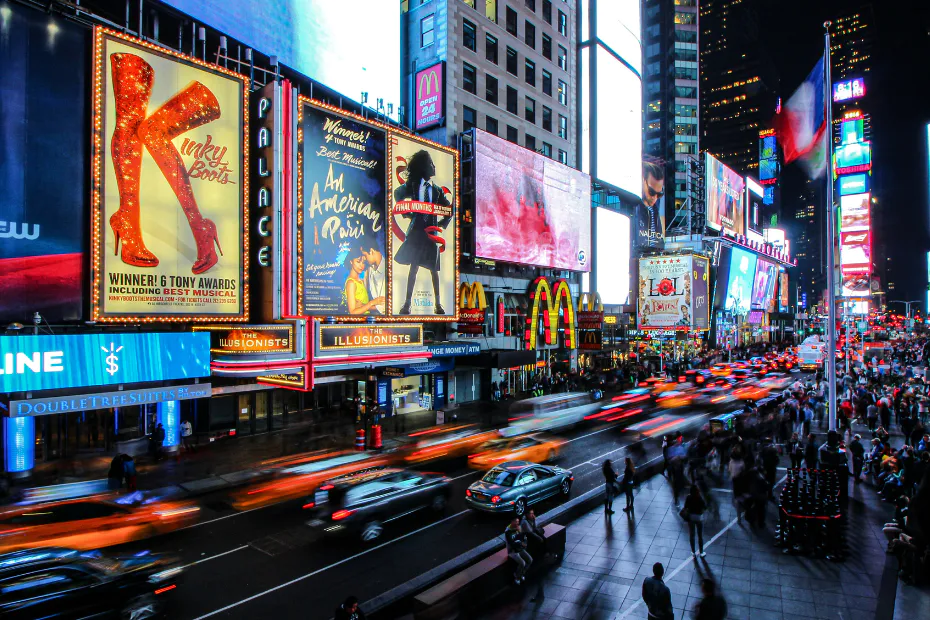
In a period of just four weeks, Meta and Google have presented their vision on the future of the advertising industry, a proposal that revolves around Artificial intelligence as the operational core. Both companies are consolidating automated environments that allow brands and advertisers activate, manage and optimise campaigns with almost no human intervention. These are closed systems, veritable black boxes, where algorithms and generative models are responsible for determining the best combination of message, channel, audience, format, frequency and timing.
This announced change marks a profound disruption in the traditional value chain. Many of the services that agencies have historically provided, such as tactical campaign management, media planning, or standard creative production, are being absorbed by platforms that promise efficiency, scale, and near real-time performance.
AI as an active part of how we think
Faced with this new reality that is approaching, the immediate reaction of a part of the industry has been concern. The vision of a scenario where agencies move from our traditional role of partner intensive implementation. However, the real challenge isn't resisting or mitigating change, but understanding how reposition ourselves strategically. Because if there's one thing this industry has shown, it's that every technological disruption has also been an opportunity to evolve. The key is to clearly identify what type of value cannot be generated, at least for now, from a purely algorithmic logic.
In our case, this reflection translated into a decision: to embrace change, not just accept it. We've redesigned our capabilities, reformulated our value model, and adapted our processes to coexist and work hand-in-hand with new generative technologies. We no longer talk about AI as a trend: forms an active part of how we think, how we create and how we operate.
Artificial intelligence can automate execution, but it does not replace business vision. It can generate pieces, but it cannot build relevant narratives, nor endow brands with meaning, purpose, or identity. It can scale the Delivery, but not to design meaningful experiences or understand the cultural complexity in which consumer decisions operate.
This is where agencies need to refocus our offering. Our differential value will no longer lie in production capacity or technical management, but in Strategic consultancy, in the construction of meaning, in the design of experiential ecosystems coherent with business objectives, and in creative direction with intention.
The future is hybrid
This implies, of course, an internal transformation. We will need to incorporate algorithmic analysis capabilities, to master the operation of generative AI models, integrate new tools into our processes, and train our teams in disciplines that were not previously essential. But above all, it will require a different attitude: not to compete with artificial intelligence, but to use it as an extension of our human intelligence.
It’s not about predicting the future, but about building it from within. And that’s why, in our case, we’ve already taken on the role we believe is essential: designing what machines execute, setting the direction from strategy, and applying a judgement that only human experience can offer.
In this new phase, Agencies won't disappear, but they will have to mutate. Staying in your comfort zone is tantamount to becoming dispensable. Conversely, embracing this transformation positions us as even more relevant players, precisely because we bring what automation cannot replicate: judgment, sensitivity, intuition, creativity with purpose, and an overall vision geared towards sustainable results.
The future of advertising will be hybrid. Platforms will do the operational work. Agencies should take on a steering role. More than ever, our place will be in thought, in orchestration and in strategy.
We also want to share with you...
MIG PRISMA estrena nueva sede en Madrid para impulsar su evolución hacia un modelo de agencia IA Powered
Nueva casa para una nueva forma de hacer agencia
Share of Answer: qué mide y por qué empieza a ser relevante para la visibilidad de las marcas en IA
MIG PRISMA joins Cantabria Labs in Santander to amplify the "Zero Melanoma" initiative.
